
Trees do more than beautify our landscapes—they can significantly lower home energy costs, especially in cities like Atlanta where summer temperatures can soar. By strategically planting trees, homeowners can reduce cooling costs and contribute to a healthier urban environment. Let’s explore how trees can help save on home energy bills, and the science behind why they’re so important for Southern cities.
The Urban Heat Island Effect
The urban heat island (UHI) effect is a phenomenon where cities, due to their concrete surfaces, buildings, and asphalt, are significantly warmer than surrounding rural areas. In Atlanta, the UHI effect can lead to temperature differences of 5-10°F, making cooling homes more challenging and costly during the summer months. Trees, with their natural cooling abilities, provide an effective solution to this problem.

Shade from trees reduces the amount of heat absorbed by buildings and pavements, while their evapotranspiration process—releasing water vapor—cools the air around them. According to the U.S. Forest Service and other experts, mature trees can lower nearby air temperatures by as much as 9°F, effectively counteracting the urban heat island effect in residential areas.
Energy Savings with Strategic Tree Placement
The placement of trees around your home has a direct impact on cooling energy savings. Studies have shown that strategically planting deciduous trees on the east, south and west sides of a home can reduce air conditioning costs by up to 35%. During the hot Atlanta summers, trees provide shade, reducing the amount of heat that enters the home, thus lowering the demand for air conditioning. In winter, those same trees lose their leaves, allowing more sunlight to naturally warm the home.
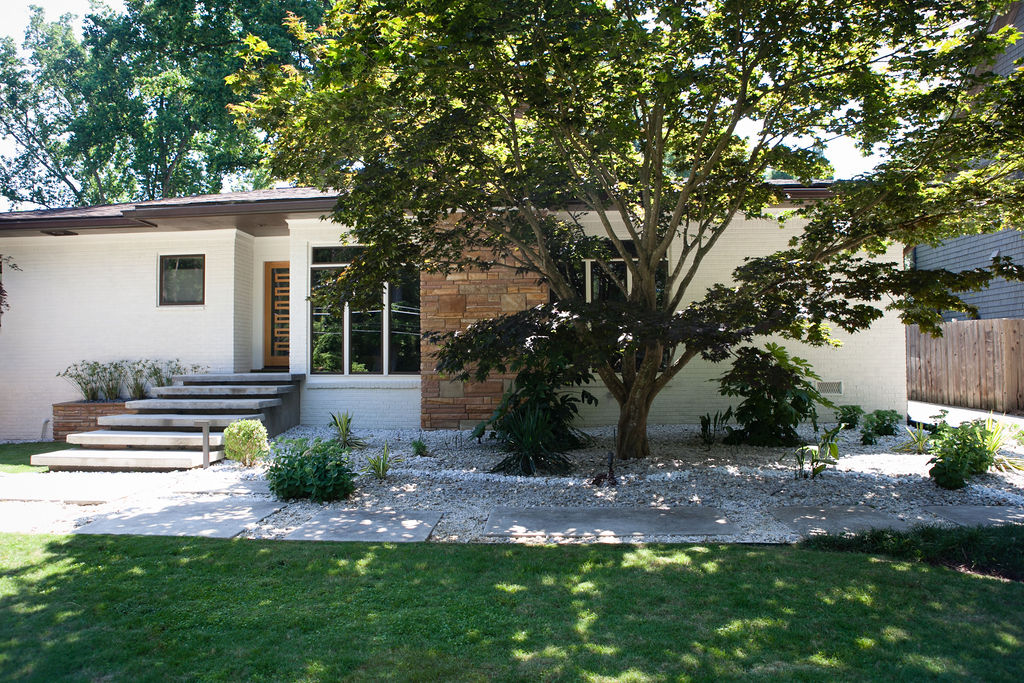
According to data from Georgia Power, shading your home can reduce cooling costs by up to $250 per year. Planting a single tree can have long-term cost-saving benefits, especially as it matures and provides more shade coverage over time.
Tree Growth and Cooling Benefits
When planting trees for energy savings, it’s important to consider their growth rate and placement. Fast-growing trees, like the native tulip poplar or red maple, can provide shade more quickly, leading to immediate energy savings within a few years of planting. Experts recommend positioning these trees about 15-20 feet away from the home to maximize coverage without interfering with the foundation or roof.
Richard Reames, an expert in arboriculture, states, “Urban trees are not just for aesthetics; they’re crucial for reducing energy consumption and combating urban heat.” Trees, especially in cities like Atlanta, can play a significant role in improving comfort and reducing energy bills, all while supporting local ecosystems. Trees Atlanta did an on-the-ground temperature test and look at their findings!
Trees and Long-Term Benefits
Investing in trees for your landscape provides long-term savings. Not only do they help reduce energy bills, but they also increase property values by up to 10%, according to the USDA Forest Service and other experts. Beyond financial benefits, trees improve air quality, reduce stormwater runoff, and create cooler outdoor spaces, making neighborhoods more livable.
Informed Garden Design for Energy Efficiency
At City Garden Company, we believe in using the natural benefits of trees to enhance garden designs, improve sustainability, and lower energy costs for homeowners. Designing with shade trees like Southern magnolia, red maple, or white oak is a practical way to add beauty while creating an energy-efficient landscape.
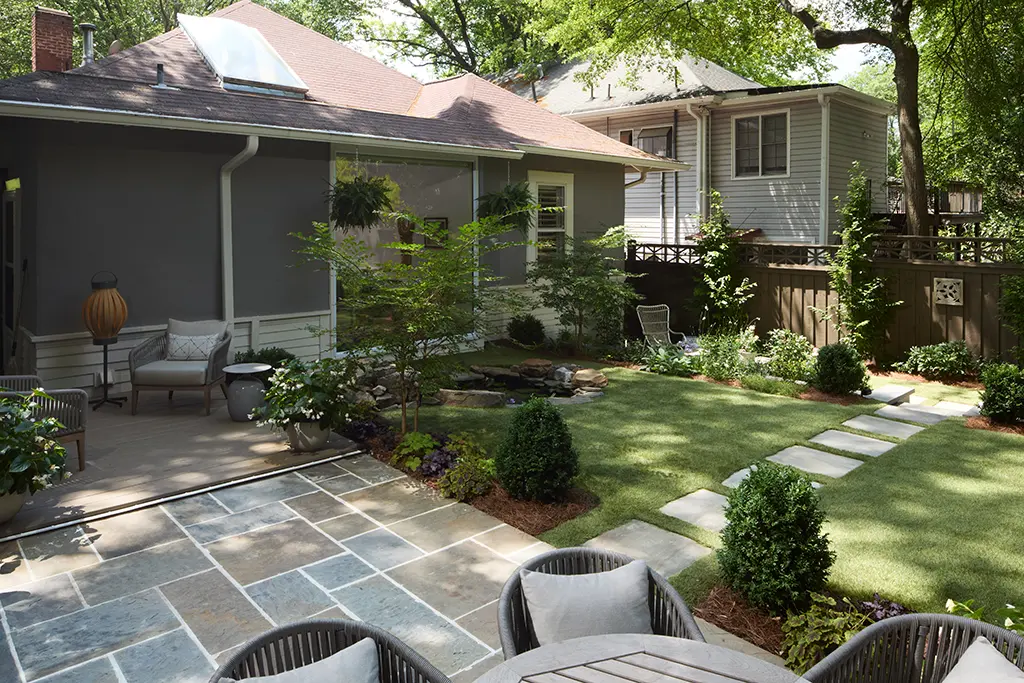
Working with an informed garden design, we consider the sun’s path, your home’s orientation, and existing structures to determine the best spots for planting shade trees that will maximize your savings. Thoughtful placement of native trees not only offers cost benefits but also adds longevity and character to your garden, contributing to both the health of your home and the environment.
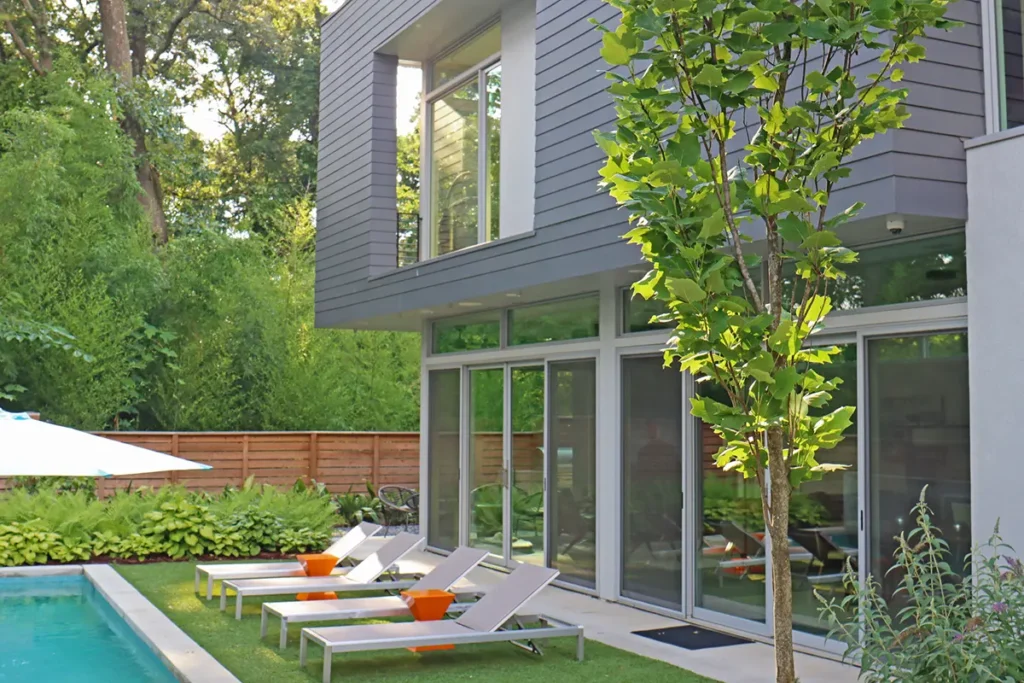
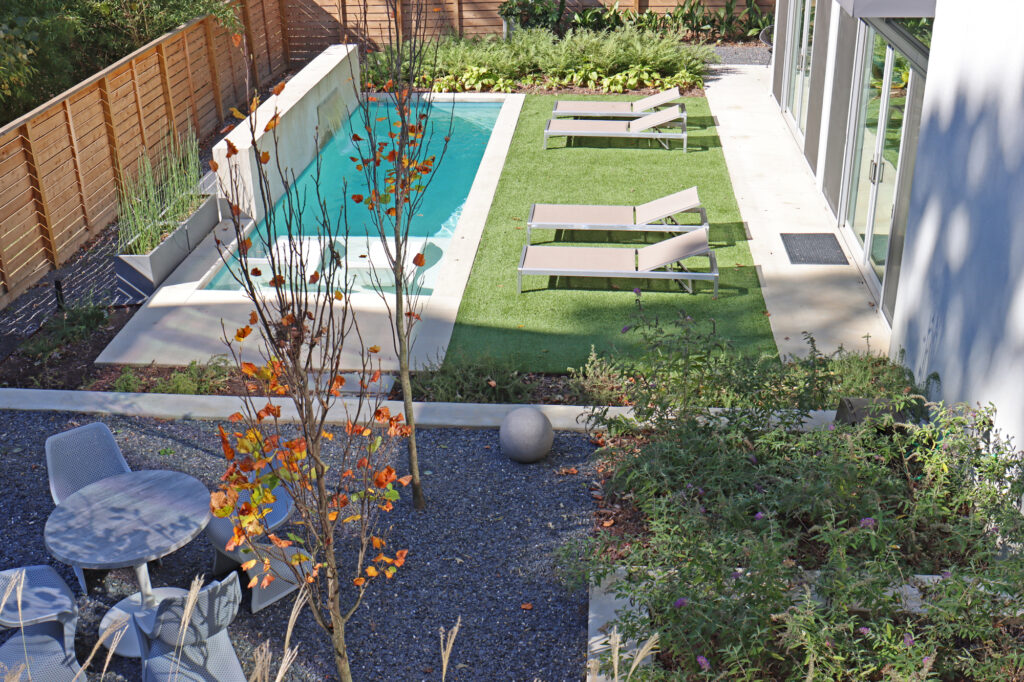
Trees are more than just part of the landscape—they are essential for reducing energy costs and mitigating the urban heat island effect in cities like Atlanta. By strategically planting native trees and incorporating shade elements into garden designs, homeowners can enjoy cooler homes, lower bills, and a greener environment.
At City Garden Company, we love to design gardens that make the most of these benefits. If you’re interested in reducing your energy costs and transforming your garden, reach out to us today. Let’s make Atlanta even greener, one tree at a time.